


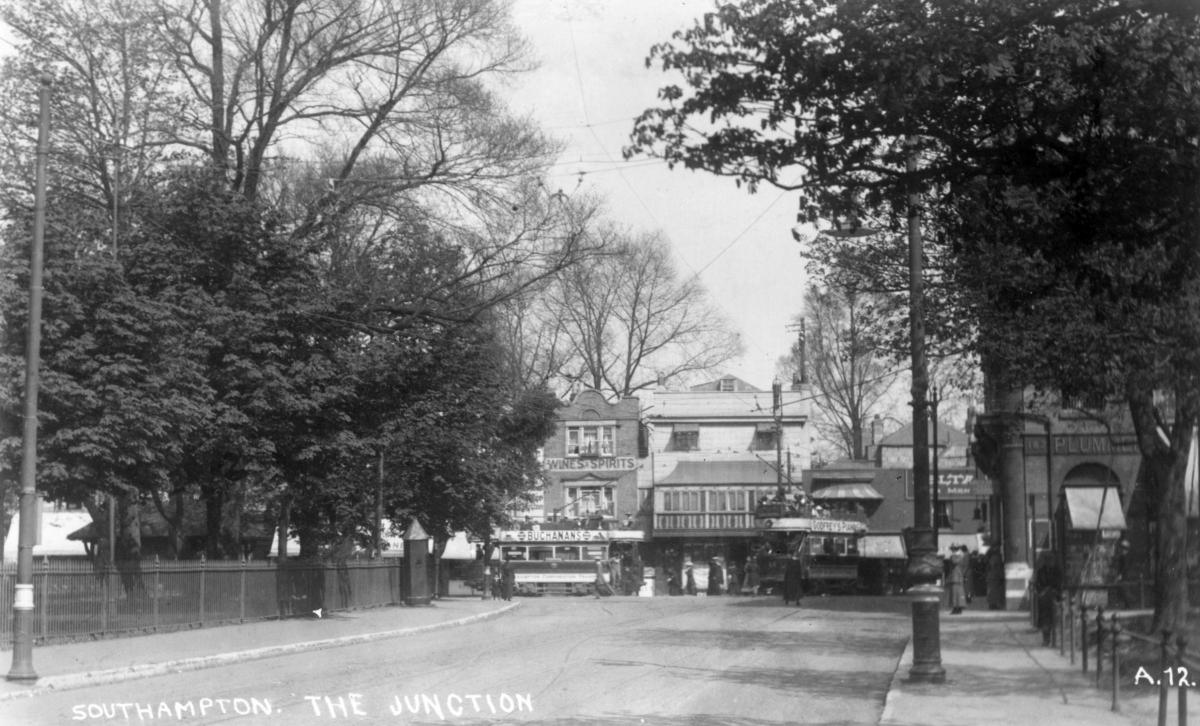


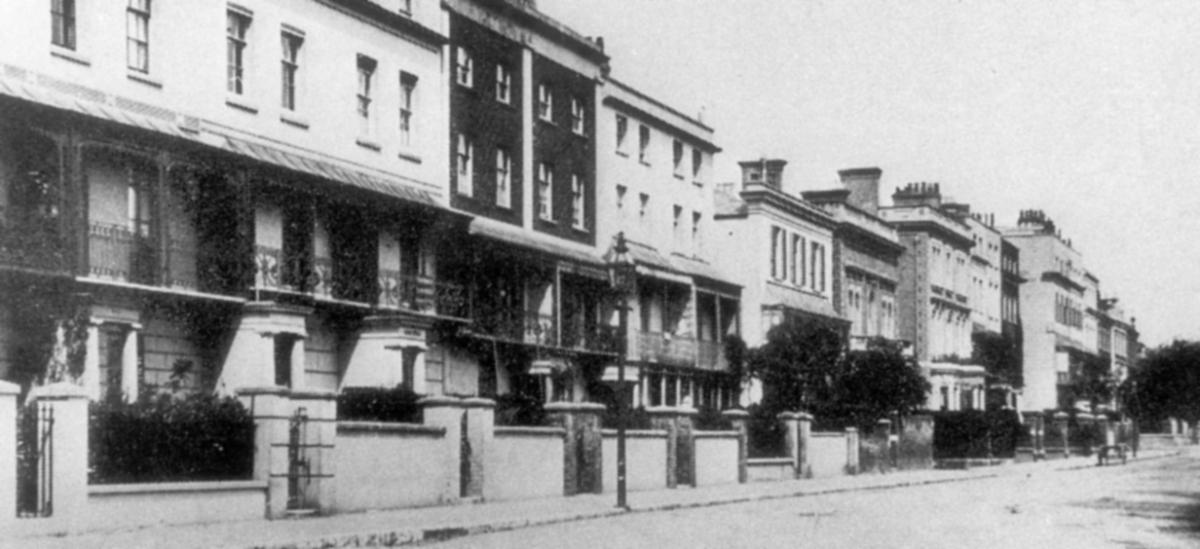

Commercial Road in Southampton has a long history that stretches back to the late 18th century.
Constructed during the reign of King George III, it was a pioneering part of the Georgian era's new approach to road-making, which also introduced the first systems for funding their upkeep.
This new road was a vital link for the town, connecting it to the west and facilitating travel and trade.
While it now hums with the energy of theatergoers headed to The Mayflower or people enjoying the lively array of bars and restaurants, its early days were quite different.
A tell-tale sign of its historical importance was the toll bar at the junction of Commercial Road and Above Bar, where travellers once paid to use the new route.

The area's history is a part of the names of its streets and places, each one a clue to the past.
An early Victorian map, for instance, marks a building at the Commercial Road junction as Cheapside. This name, often associated with markets in other cities, suggests that a market of some kind may have once flourished here.
Nearby, Cumberland Place likely takes its name from the Duke of Cumberland, a son of King George III, who visited Southampton and was said to have been quite taken with the town.
Another intriguing theory connects the name to an earlier Duke of Cumberland, the third son of George II, who was nicknamed "The Butcher" after his victory at the Battle of Culloden. Southampton's interest in this historical event was significant enough that commemorative elm trees were planted in The Avenue.
The name Brunswick appears in multiple places throughout the city, each with a unique link to the royal family.
Read more:
- World-famous artist lived where Hants and Dorset bus station was
- The ship named after a Southampton suburb that made global headlines
- Nature reserve was once an industrial landscape of smoke and steam
Brunswick Place, for example, is built on the site of a property once owned by a kind-hearted lady named Katherine Wulfris.
In 1665, she bequeathed the yearly rent of her orchard to the churchwardens to provide clothing and apprenticeship opportunities for a young, impoverished maid.
The property, known as Giddy Bridge for reasons lost to time, included the very land where Brunswick Place now stands.
The name's association with royalty is even more direct when we consider Brunswick Square and a particular railway track.
Brunswick Square, located on the south side of Bernard Street, is now a simple access point for businesses, but its name, along with Brunswick Place, hints at a third connection.

The old railway line that ran from Terminus Station into the docks was known as "The Brunswick."
The name, which railway workers would shout out when directing trains, is a nod to the royal family's heritage.
Upon Queen Victoria’s succession, the crowns of England and Hanover separated due to a law that excluded females from the Hanoverian throne.
However, Victoria was still a descendant of the House of Brunswick, and the name persisted as a mark of respect for the long-standing royal connection.
This particular railway line also holds a special place in history.
Read more:
- When Saints almost lost a three-goal lead in a seven-goal thriller
- The dramatic end to a beloved pub that ended up as a Hollywood movie set
- How a quiet hill in Bitterne Park got its unusual name
In March 1863, the very first passenger coach to travel over the track into the docks carried a newly married couple: Edward, Prince of Wales, and his beautiful bride, Princess Alexandra.
The coach, drawn by three white horses and specially sent by the London and South Western Railway, was on its way to their honeymoon at Osborne House on the Isle of Wight.
It was from that day forward that the coach—and by extension, the track—earned its regal name: "The Brunswick."