



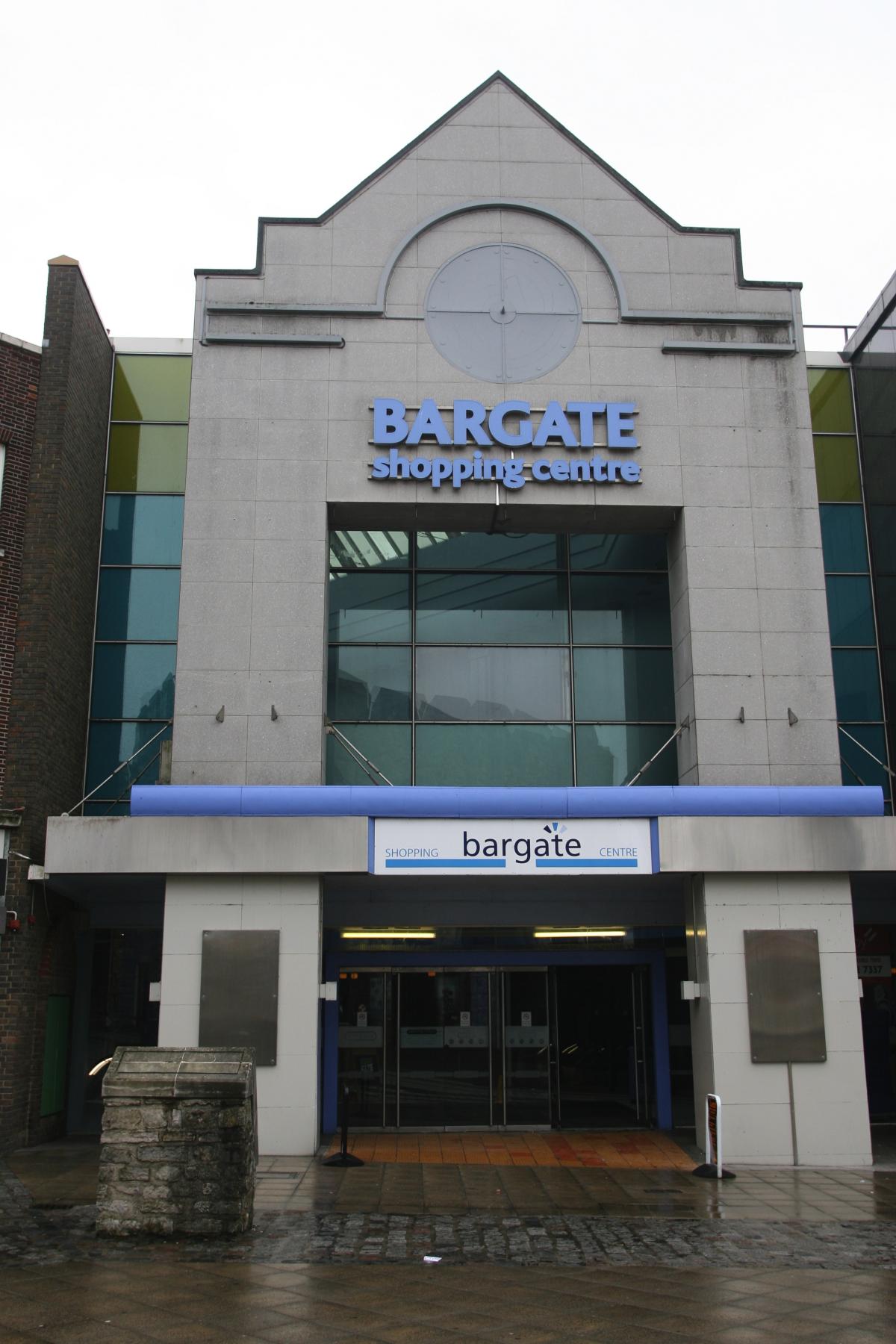

Decades before it faded into a modern ghost town, Southampton’s glittering thirty-million-pound retail dream threw open its doors to a fascinated public, unknowingly setting the stage for its own spectacular rise and quiet demise.
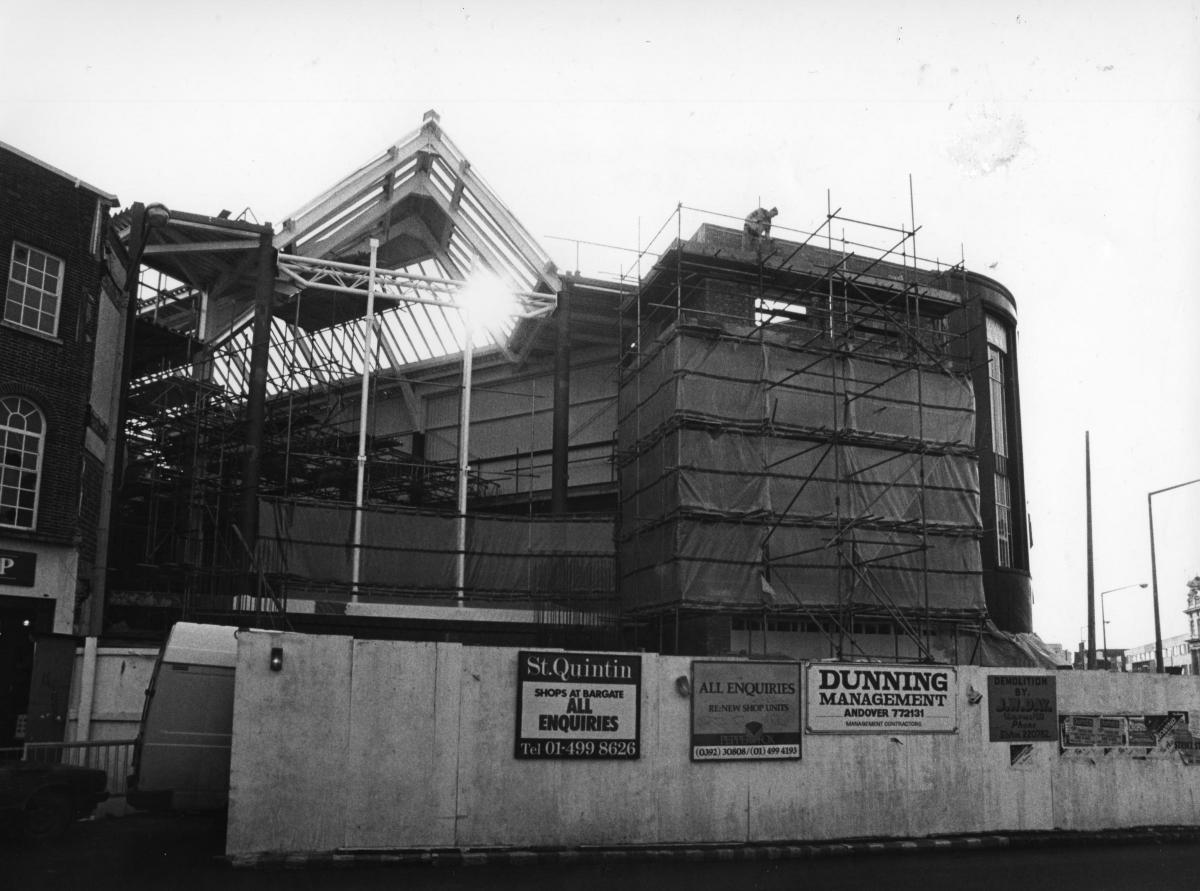
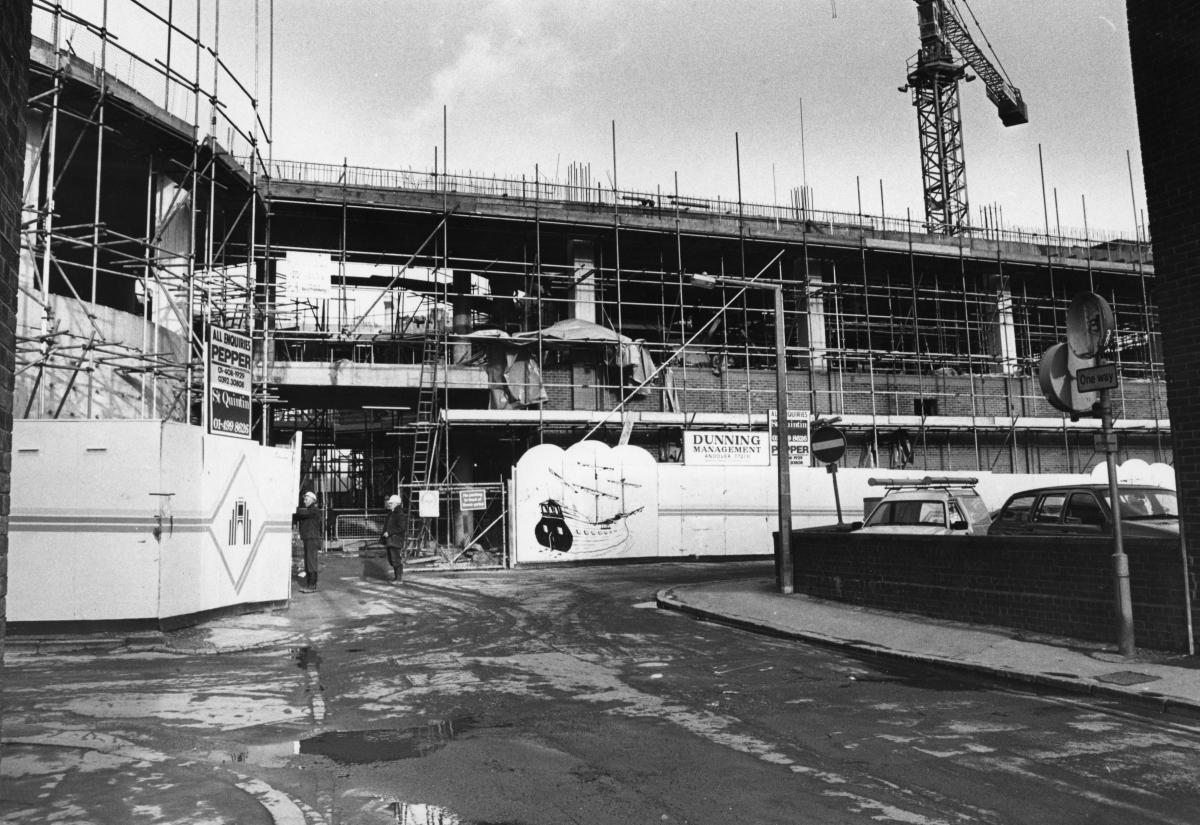
There was intense anticipation when Bargate Shopping Centre finally opened its doors to a queue of eager shoppers on October 26, 1989, three months behind schedule after a succession of frustrating building delays.

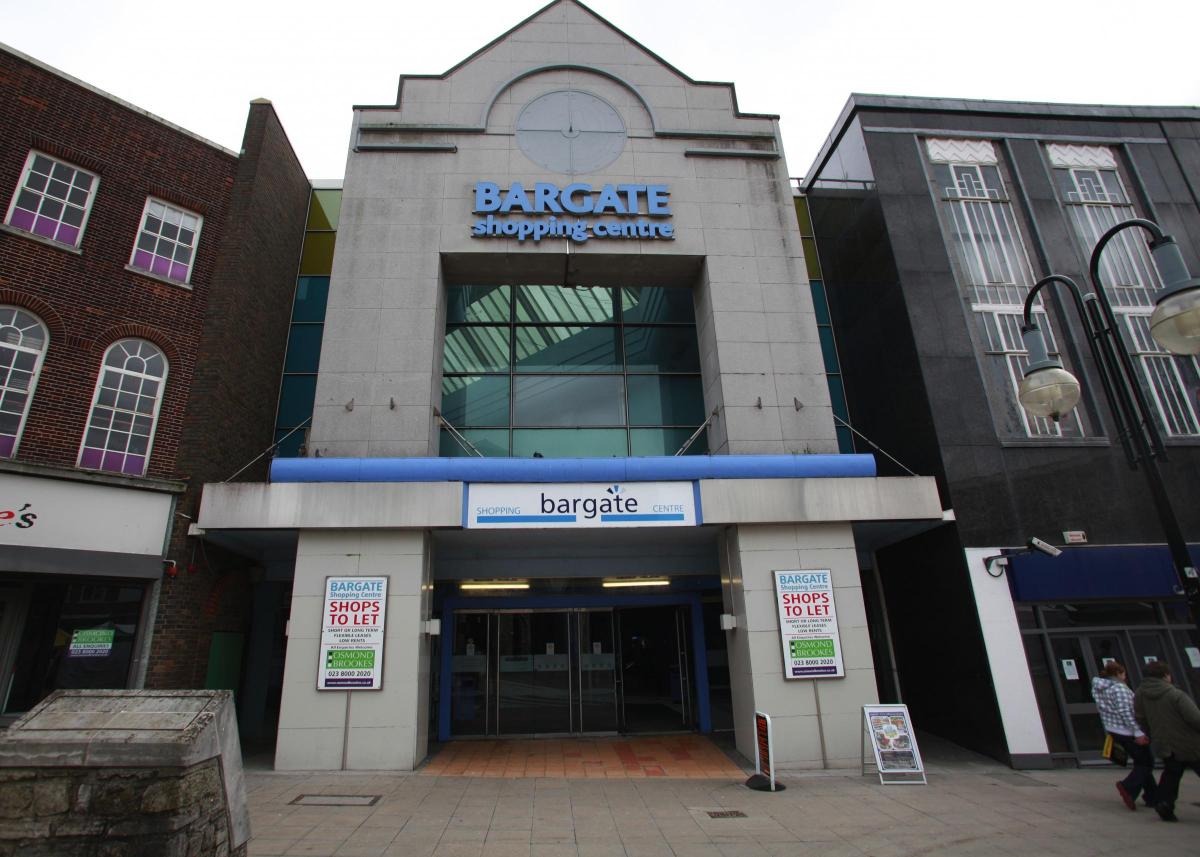
It was named after the city’s best-renowned medieval monument in a bid to give an instant air of established respectability to a cutting-edge commercial venture.
Hundreds of local people thronged outside the top-level entrance waiting for it to be unlocked by storekeeper Les Welford, who had worked on the vast construction site from its first day, a comedy stilt-walking policeman called Big Old Bill and Mattie the Clown.
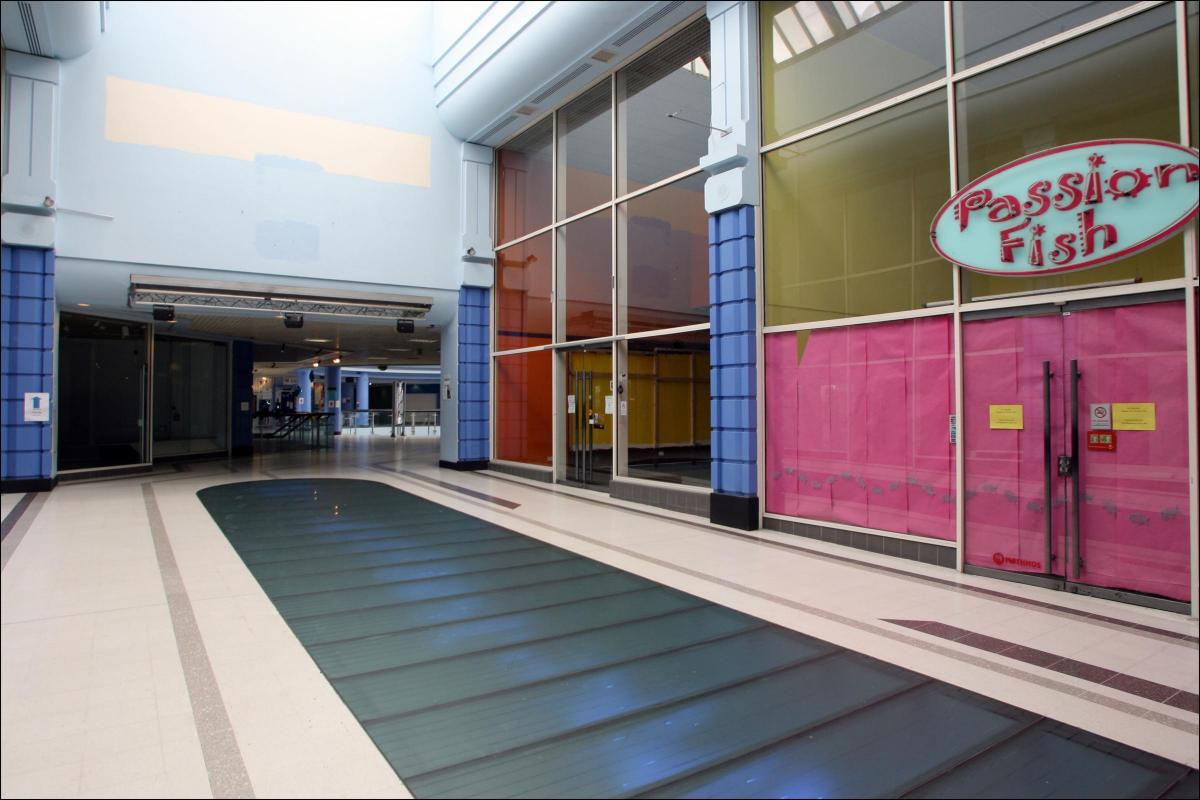
They were impressed by the curious glass floors and the vast three-tier layout, even though just seven shops and two food outlets were taking money on the first day of trading.

Although trade was initially slow, the enormous scale and ambition of the complex captured the popular imagination within the city.
The basement Food Forum was the focal point of the development, a chic American Deco refuge set beneath the enormous glass roof of the central atrium.
Visitors could dine on an eerily prescient "global" menu ranging from pastrami and American burgers to sweet crepes and Belgian chocolates, and seating was provided for up to 250 customers.
Adding theatrical flourish to this gustatory spectacle were eight giant Sun Gods – massive eight-foot-high stone statues weighing in at up to 700 lbs each, carved to support globes of light.
Centre management even saw fit to introduce eight sculptures of the fertility goddess Isis to ease food lovers' guilt at caving in to the calorie-heavy fare on offer.
The centre began to fill over the weeks with a relatively eclectic range of specialist stores; men's fashion had Uno and Jesters, lingerie saw a touch of luxury in the form of Extravagance, and Herbs and Things introduced both aromatherapy and natural cosmetics.

The centre was designed not only as a shopping complex but a place with a focus on family entertainment and alternative elements of fun.
Shorty after opening, and in its first Christmasm the complex held a sponsored shoppers' creche offering music, face painting and a colossal Grotto to provide a safety net for parents wishing to browse the new stores alone.
Quick-moving, forward-thinking companies such as Snappy Snaps offered high-tech, one-hour photo processing and Zodiac Toys provided huge doses of excitement with their promotional character appearances and large supplies of the latest crazes.

Over time the Bargate Centre would become a part of youth culture and be widely known for gaming thus taking on the legendary Sega World arcade, Quicksilver surf wear and ever popular ShakeAway.
But the ambitious grounding of the project was hit hard from the start as just under two months after the opening, Dunning of Andover, the construction firm behind the build had to call in receivers due to crippling cash flow problems.
While it initially prospered as an offbeat collection of specialist stores, the retail environment in Southampton radically changed around the turn of the millennium.
The emergence of the huge Westquay shopping centre in 2000, which opened in combination with the pre-existing competition from The Marlands and its large established retailers, drew away vital trade.
The novelty of the glass floors withered with time and shopping habits changed, leaving the Bargate Centre to gradually fade to irrelevance, unable to compete as traders left and reluctantly closed their units.
By mid-April 2013, the centre was entirely vacant and formally closed shortly afterwards on June 10, 2013.
The building stood empty for several years untill it was finally demolished from late 2017, as part of the redevelopment of Bargate Quarter.
The new Bargate Quarter development is set to bring life back to the area and is said to showcase the medieval city walls that the shopping centre had obscured for nearly three decades.