



WATCHED by thousands of ghouls, the highlight of Winchester's Lenten Fair was a hanging, a gruesome landmark in the history of crime and punishment in Hampshire. Sarah Huntingford, 61, was the last woman to be publicly executed for murder.
She had been convicted at Hampshire Assizes over the brutal murder of her husband, Thomas, a former shipwright. She had only recently retired from running a grocery business and the couple, who had been married for some 40 years, lived in a boarding house with two other lodgers. One was to play a pivotal part in the drama.
But why she had battered her husband, 71, remains an enigma.
True, she drank heavily but alcohol had never unleashed violence. Indeed, it made her convivial company. But she was a creature of contrary moods, a friend once observing that "on occasions she did not know what she was about."
The drama unfolded after Samuel Bealty had returned to the house in Orange Street, Portsmouth, late at night, and having to rise early the following morning, found sleeping difficult, so much so that about 3am he was awoken by someone going downstairs. He called out but received no reply.

Instinctively, he got up and going to his upstairs window, saw the unmistakeable figure on Huntingford walking across the yard, her head and face covered. Opening the window, he again called out and once more there was no response.
He dressed and was going downstairs when he aw her coming towards him, so startled by his sudden appearance she dropped her candle and muttered: "I am murdered and robbed. What shall I do? What shall I do?"
While another lodger comforted her, Bealty flung open her bedroom door to be met by a horrific sight. Her husband lay dead on their double bed, his face covered in blood, a bone in his head so shattered that a detective could put a finger into the wound.
As they awaited the arrival of the police and a surgeon, Huntingford claimed they had been ambushed by two men, dressed as chimney sweeps, their faces blackened and demanding money. When her husband refused to comply, they savagely set about him with a tomahawk.
At first glance, her story held credence. A tin containing their savings and kept in a chest was broken, but then doubts about her statement surfaced. The landlady was adamant the outer door had been locked for the night. Huntingford surmised her husband had gone to the outside toilet in the yard and forgotten to lock the door. However, when police searched the property, they discovered a bloodstained billhook. It was also noticed that the hem of her dress stained with splashes of blood.
Read more:
-
Remembering Southampton restaurant and mobile van which was iconic in 80s and 90s
-
The British lord who gaslit the ocean to save his crumbling mansion
-
Majestic v Queen Mary 2 compared as the largest ocean liners of their time
Huntingford, sensing doubt over the authenticity of her story, protested: "Do you think I murdered my husband." The police certainly did and arrested her.
So did jurors at her trial. Without leaving their seats, they returned a verdict of guilty.
Extraordinarily, she had agreed with the prosecution's case that the evidence against her was irresistible and acknowledged their finding, but throughout she did not flinch in her maintenance that her husband had been murdered by the chimney sweeps.
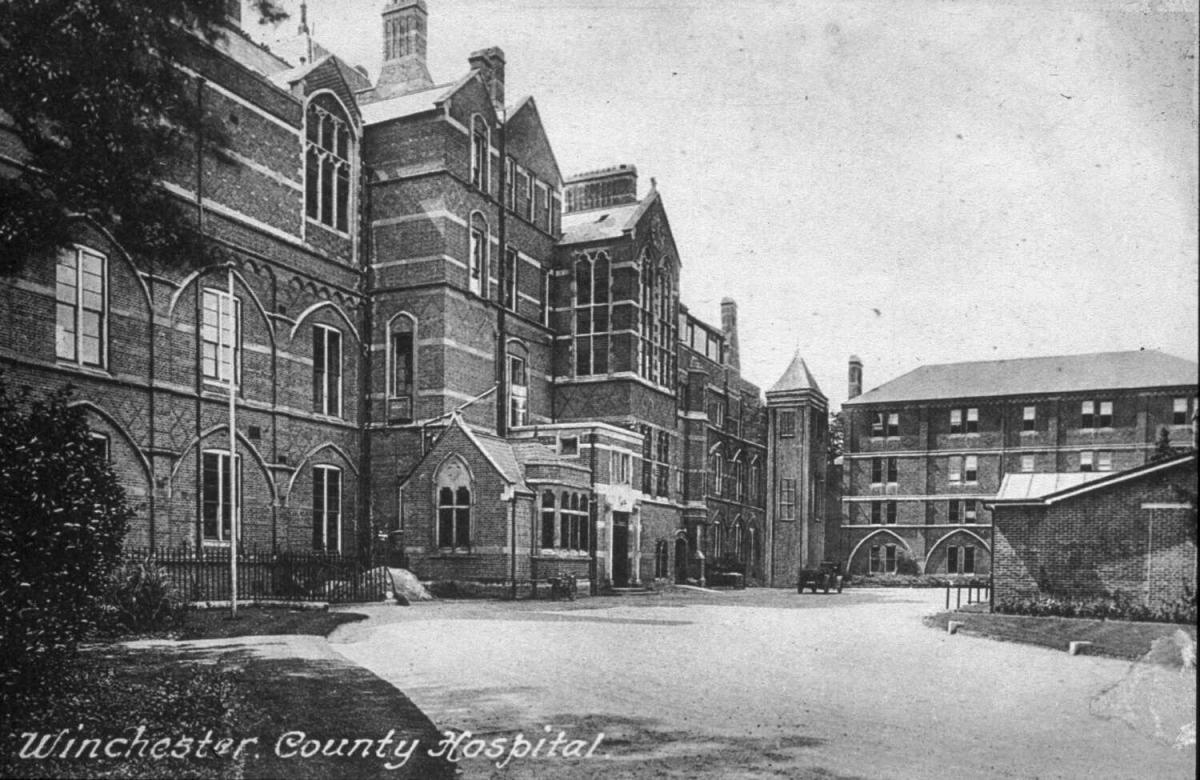
Less than a week later on March 8, 1819, she was brought to Gallows Hill on the Andover Road on a hurdle and executed. After death, her body was taken to the County Hospital in Winchester for dissection.


Share