



A mechanical roar once shattered the peace of an aristocrat’s New Forest lawn, beginning the transformation of a sleepy Hampshire estate into a global motoring pilgrimage.
At Beaulieu, motor oil and aged leather mingle with the medieval ruins as Palace House meets Britain’s gritty motoring heritage.
The museum began not with grand plans or state funding, but with a scramble to save the family home and honour a pioneering father.
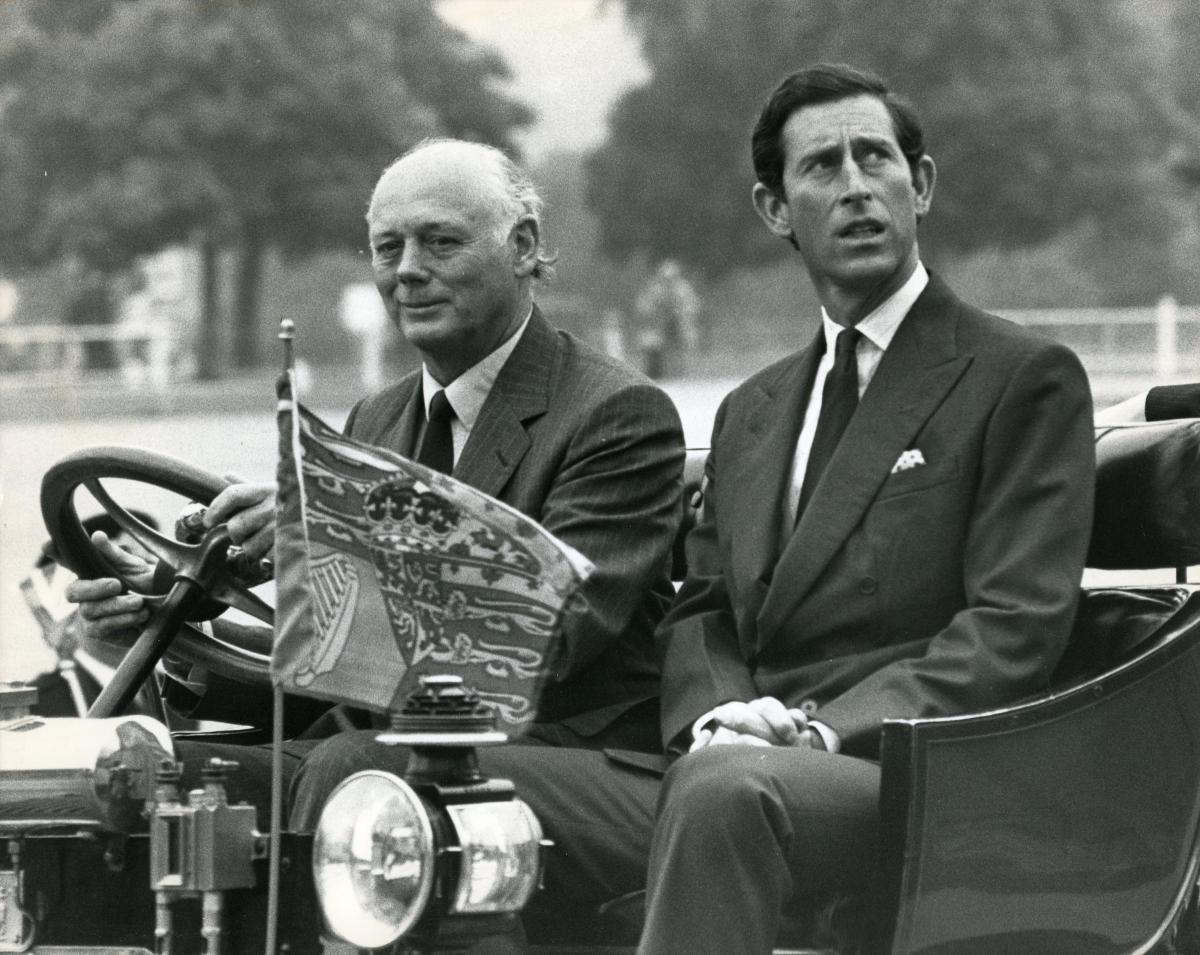
John Douglas-Scott-Montagu, the 2nd Baron Montagu of Beaulieu, became one of motoring’s leading champions when cars were still seen as noisy and dangerous nuisances.
He drove his Daimler to Parliament and introduced King Edward VII to motoring, helping give cars a royal seal of approval.

His secretary and mistress, Eleanor Velasco Thornton, is widely linked to Charles Sykes’s Spirit of Ecstasy design, which became Rolls-Royce’s famous bonnet mascot.
After the Second World War, the estate faced financial pressure when 25-year-old Edward, the 3rd Baron Montagu, inherited it and was hit by death duties.
To save Palace House, Lord Montagu opened it to paying visitors in 1952 and used his father’s passion for cars as the attraction.
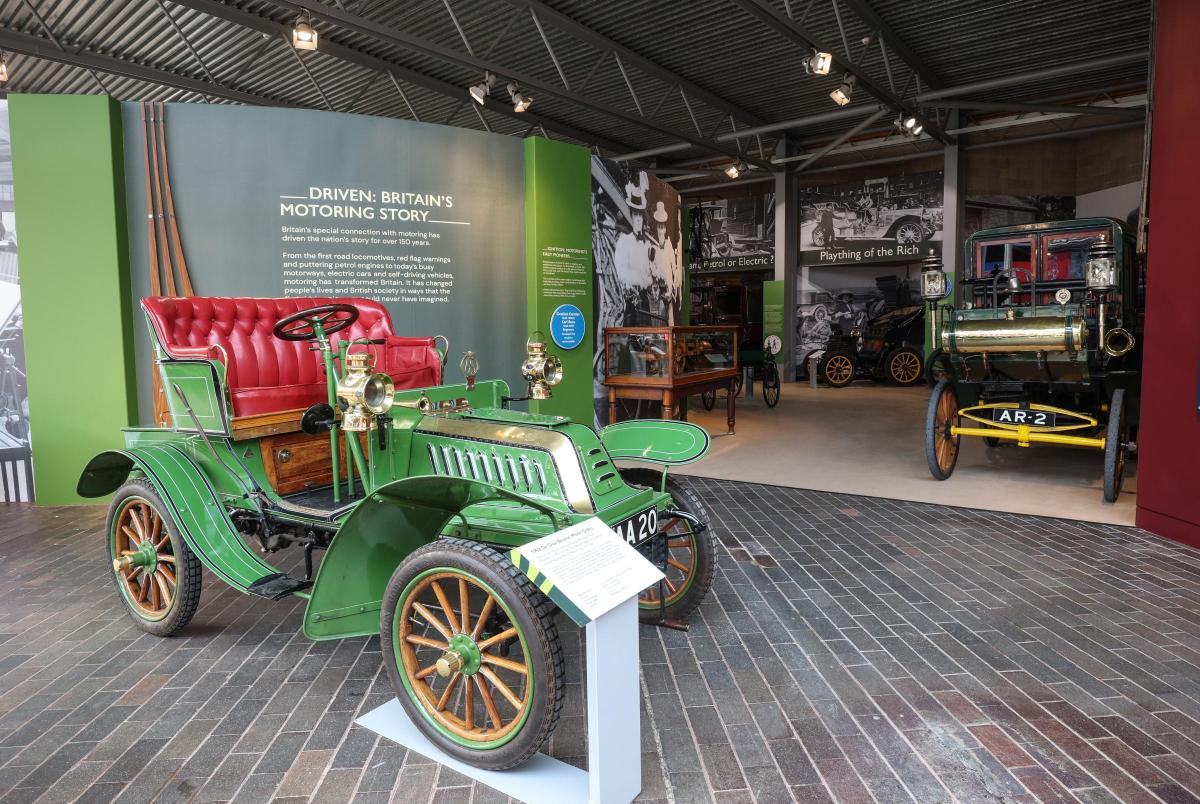
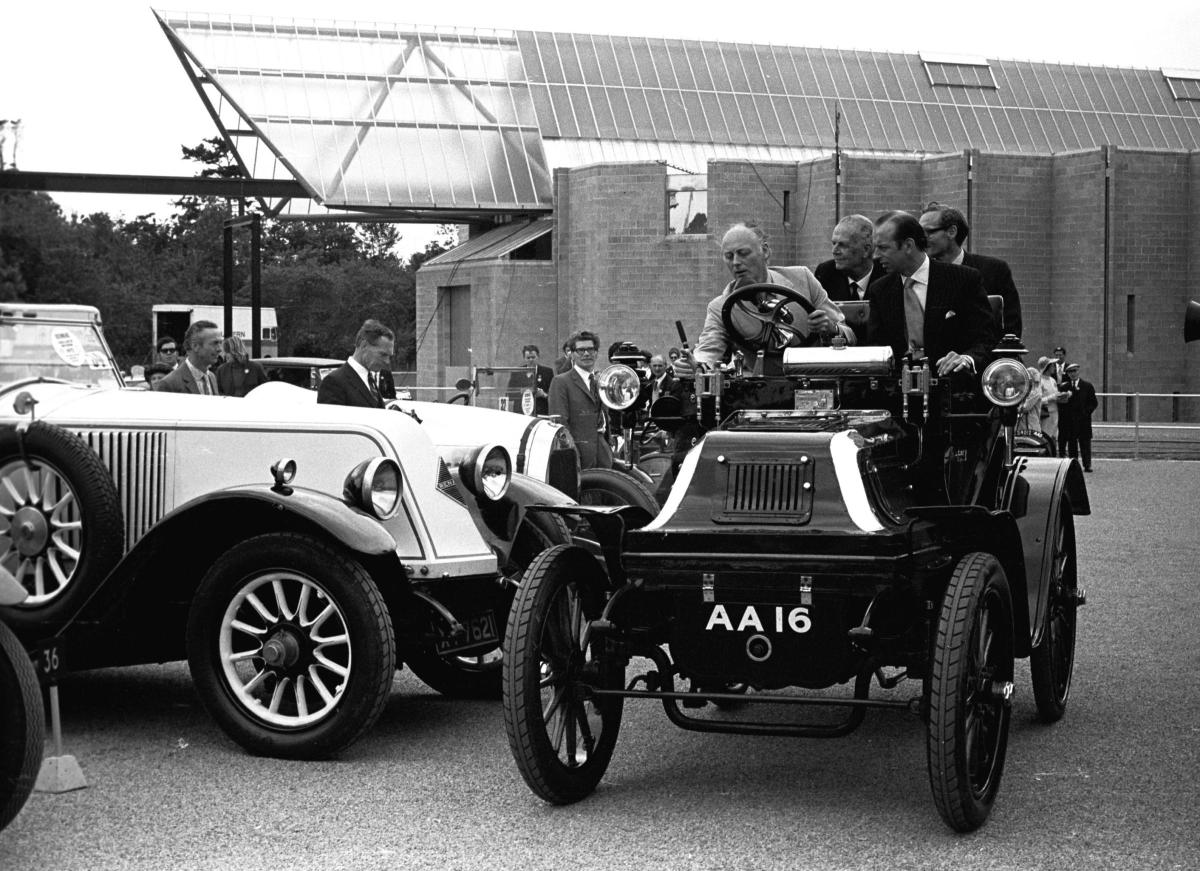
He displayed five veteran cars in the entrance hall, including his father’s 1899 Daimler.
He expected a few hundred locals to pay a shilling to tour the house, but motoring enthusiasts flocked to the New Forest instead.
The crowds revealed Britain’s appetite for motoring history, prompting Lord Montagu to acquire more vehicles for the growing exhibition.
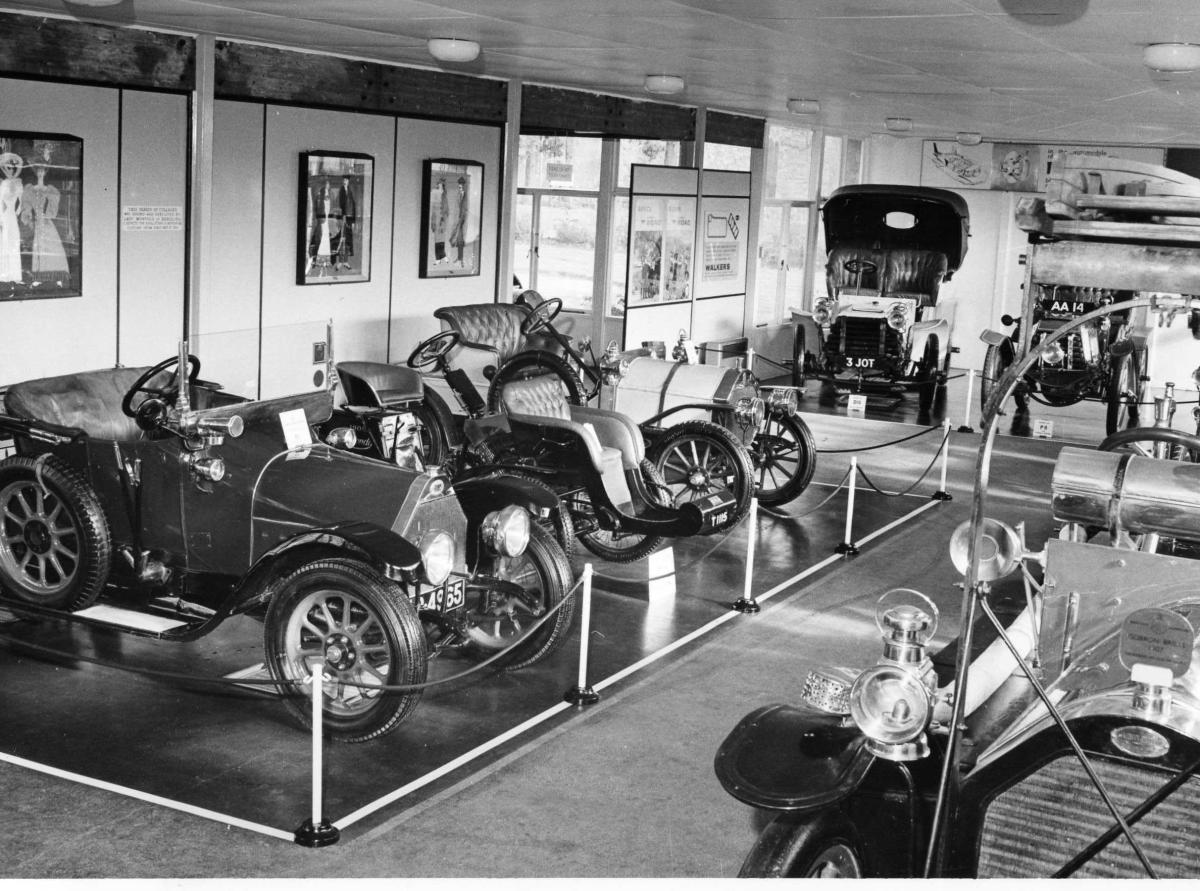
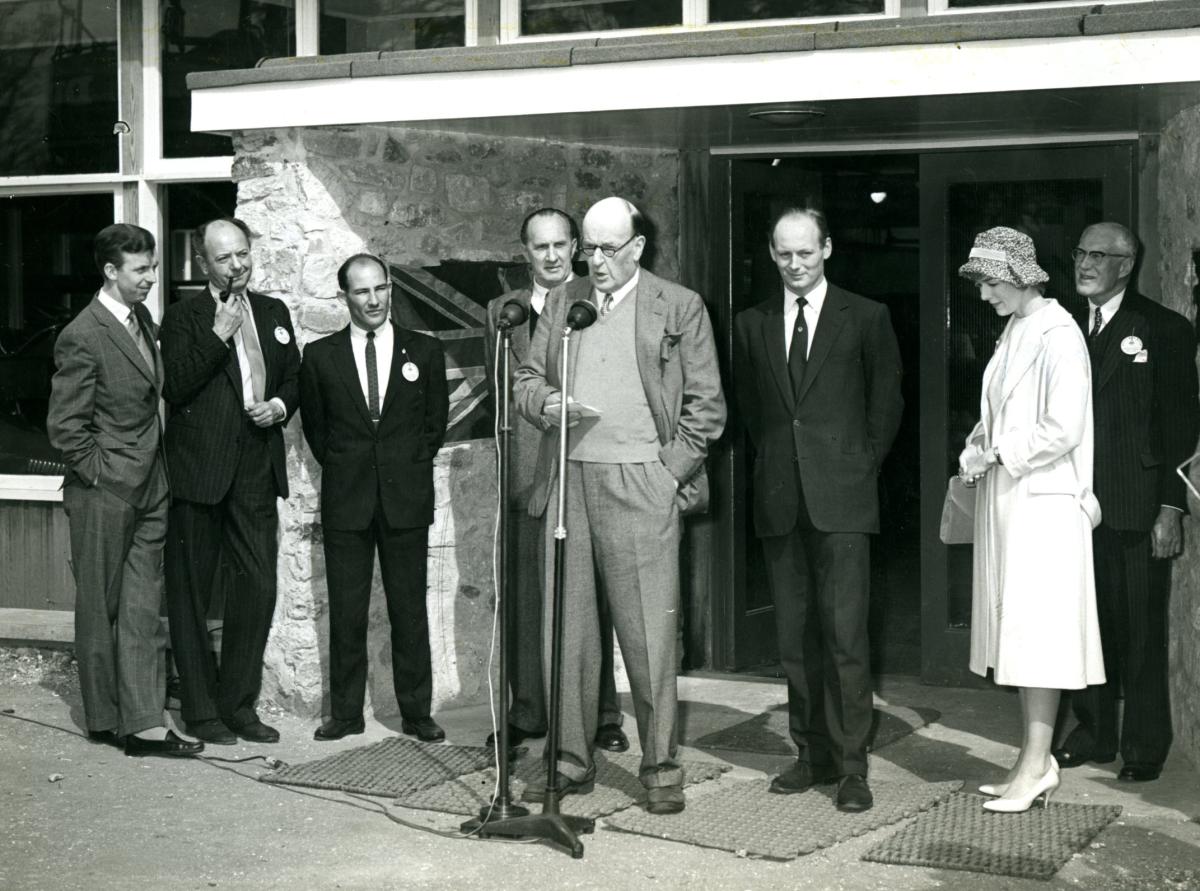
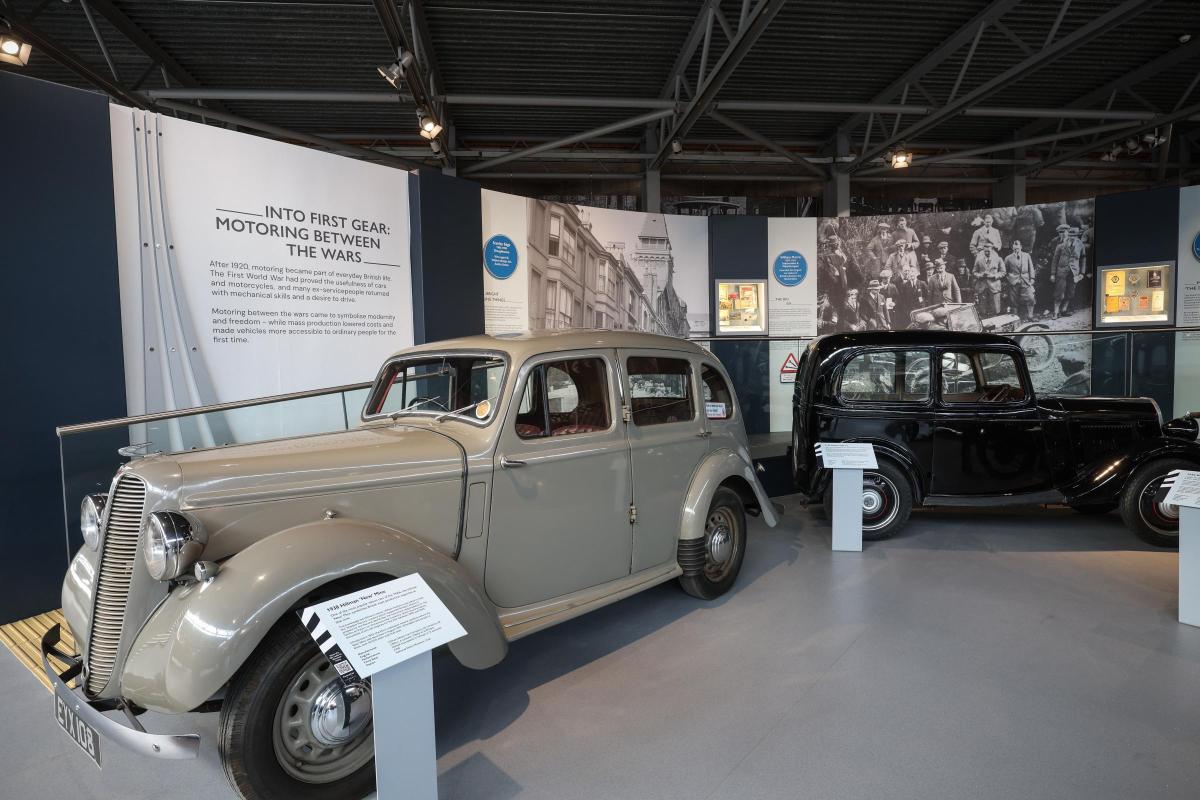
By 1959, the collection had outgrown Palace House, so the Montagu Motor Museum opened in a new wooden building on the estate.

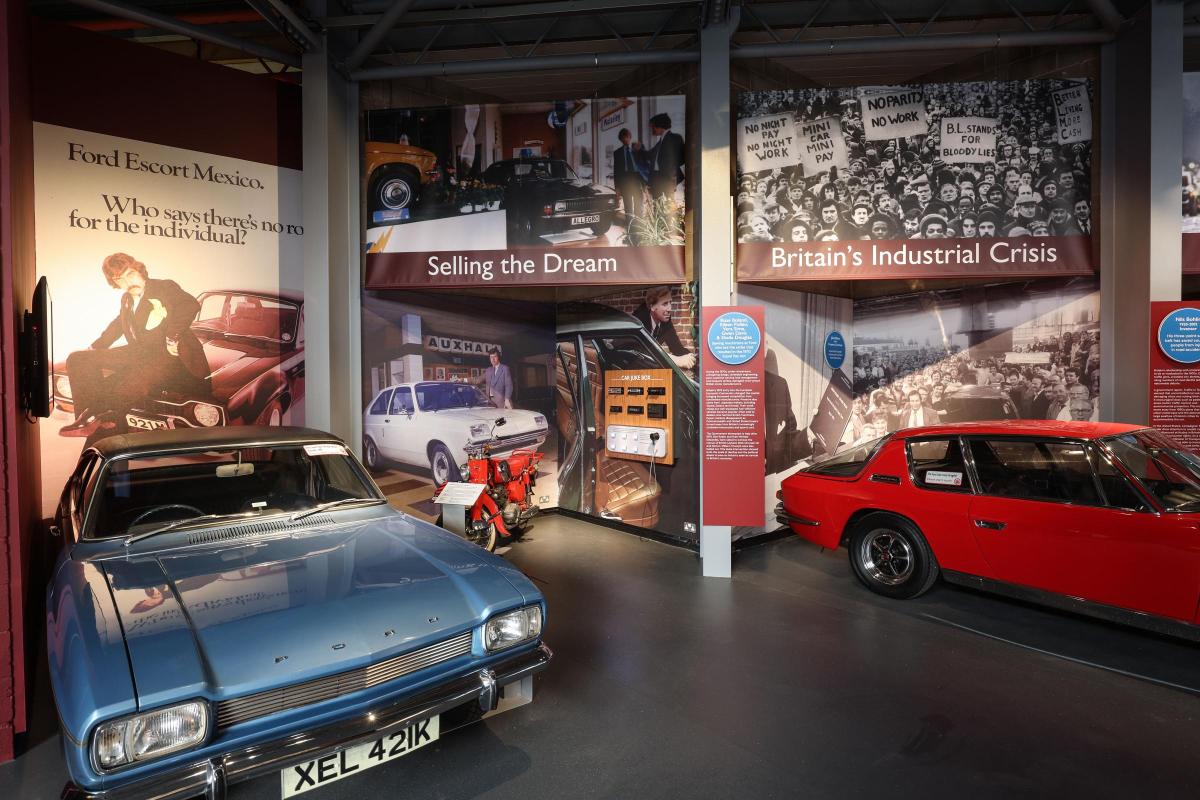
Racing driver Stirling Moss opened the museum, which displayed motorcycles, brass-era roadsters and early racing cars.
Throughout the swinging sixties, Beaulieu became a household name, synonymous with the preservation of vehicles that might otherwise have been destined for the scrapyard. However, the wooden structure was rapidly becoming entirely inadequate for the hundreds of thousands of visitors flocking to the estate each year.
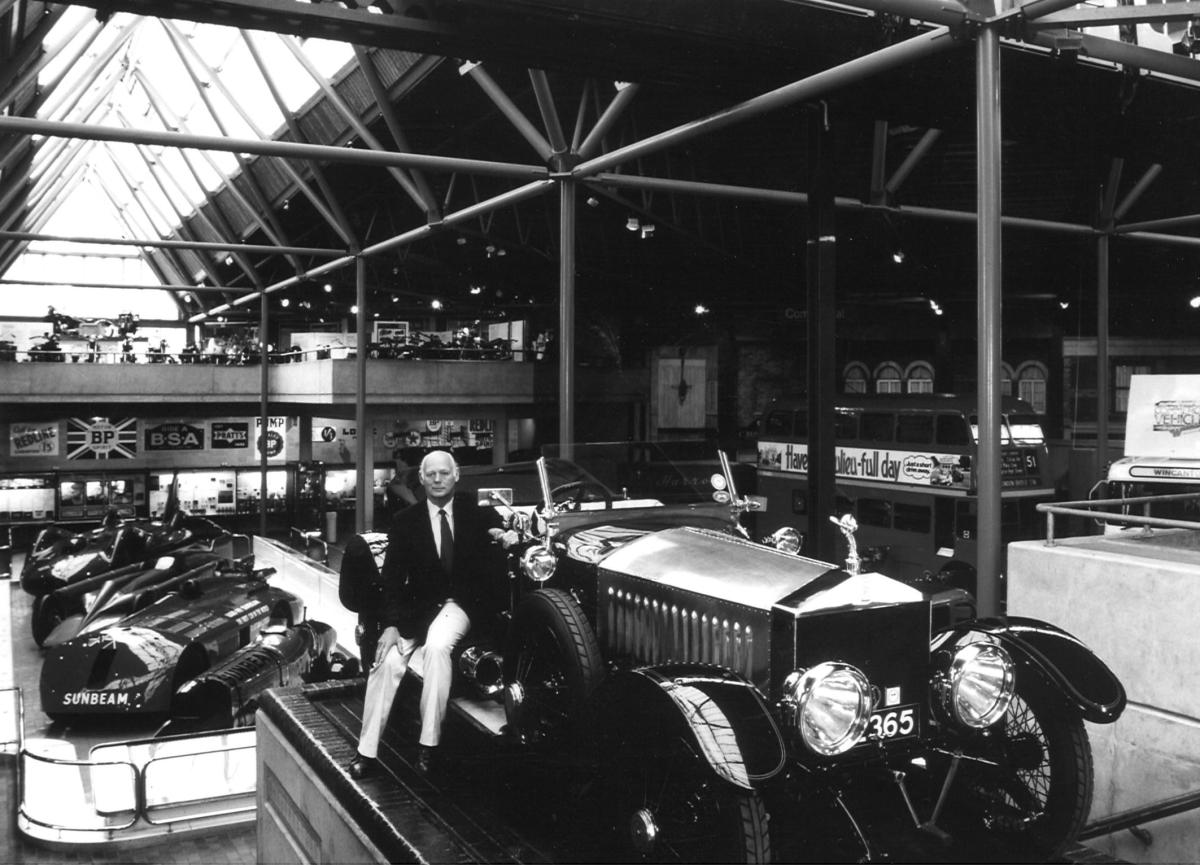
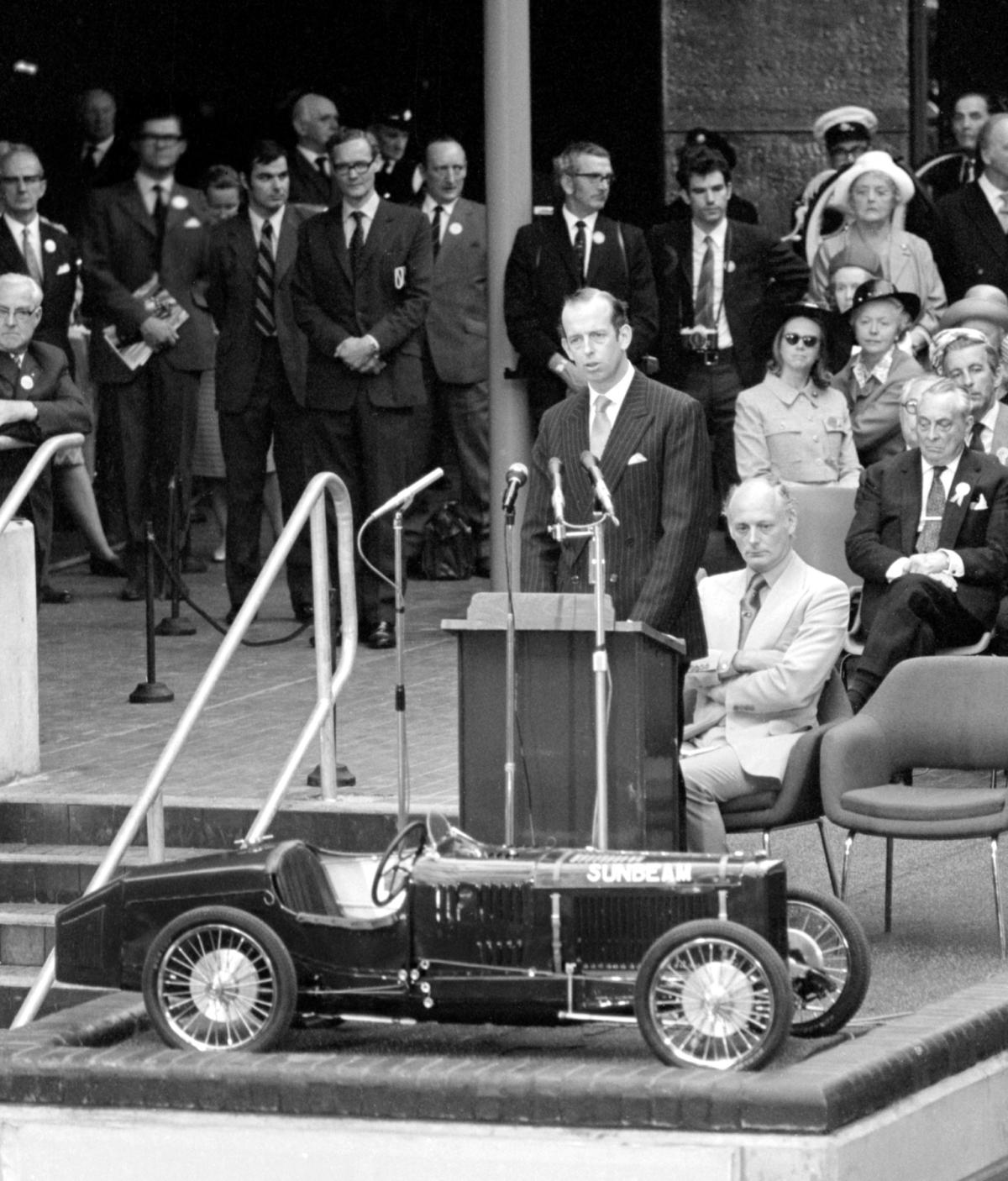
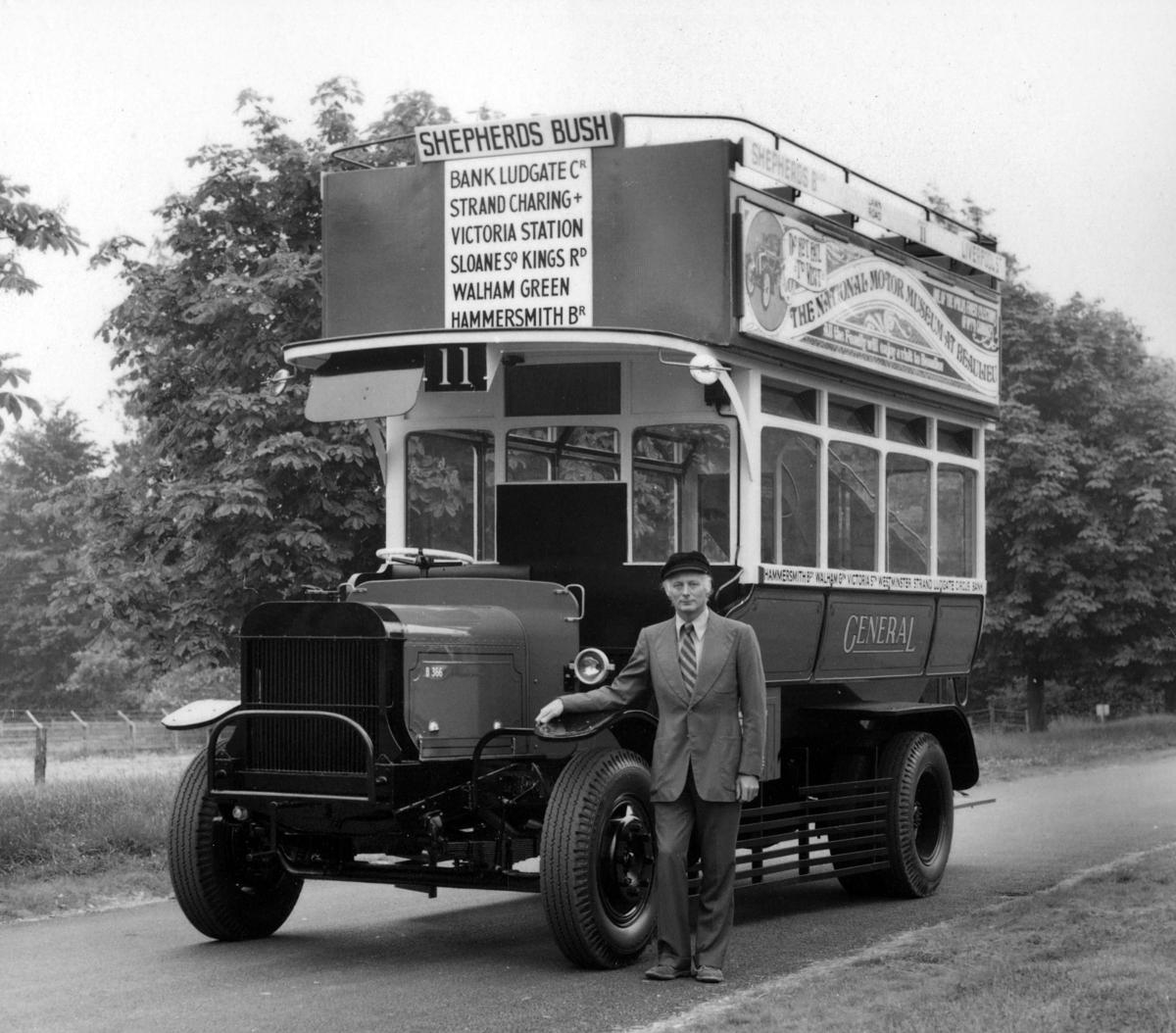
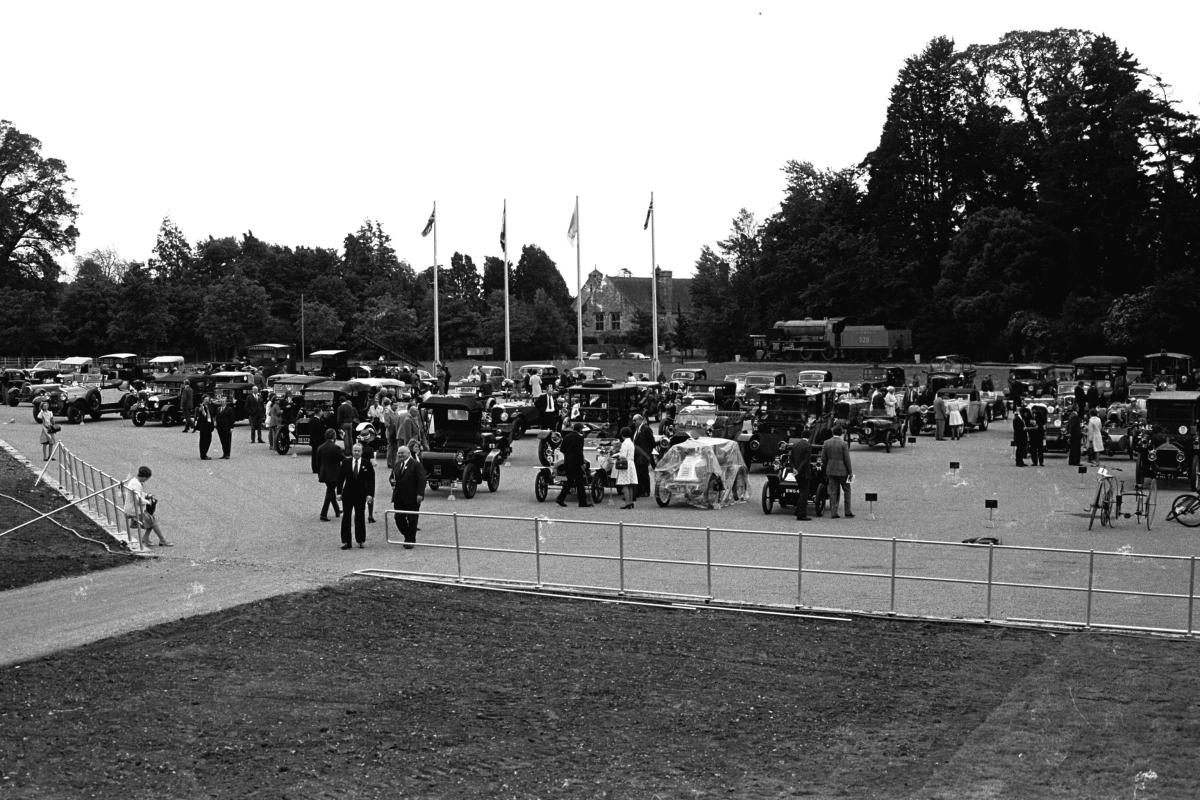
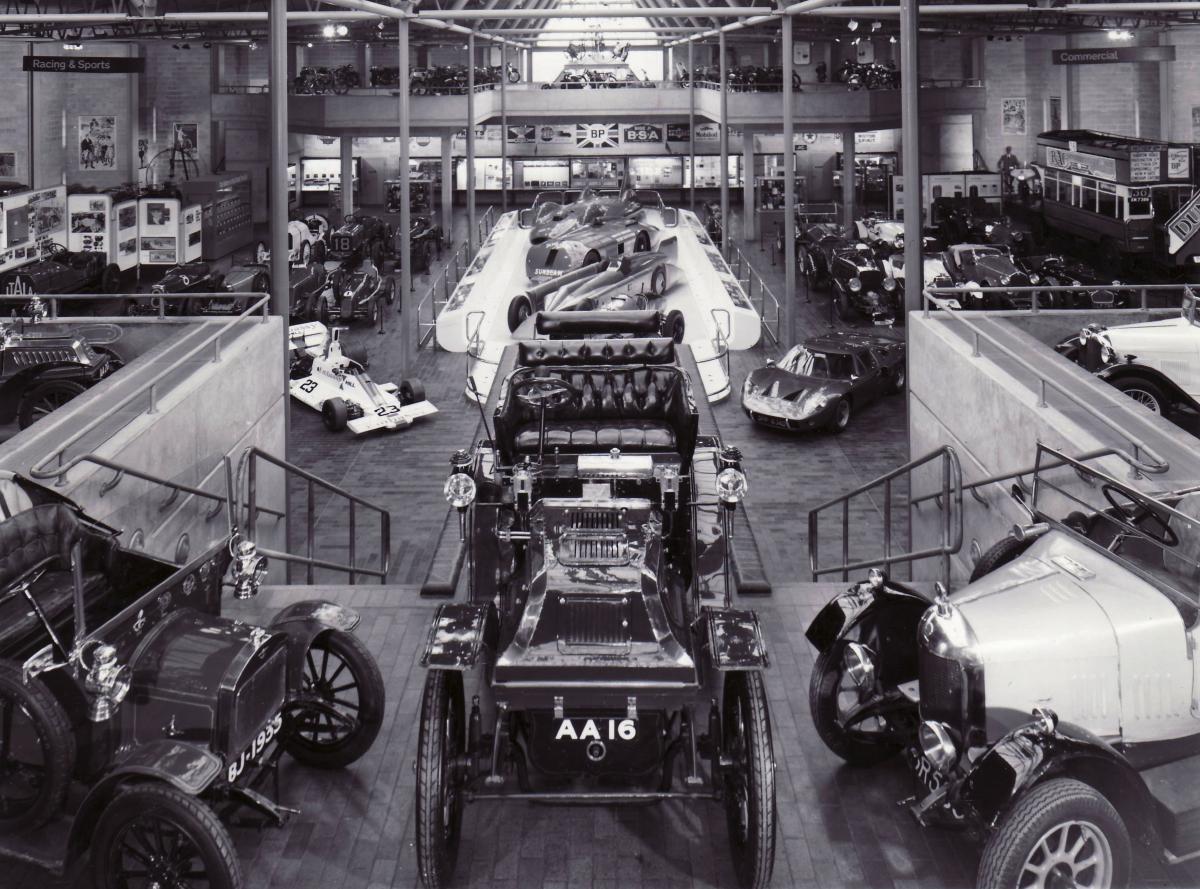
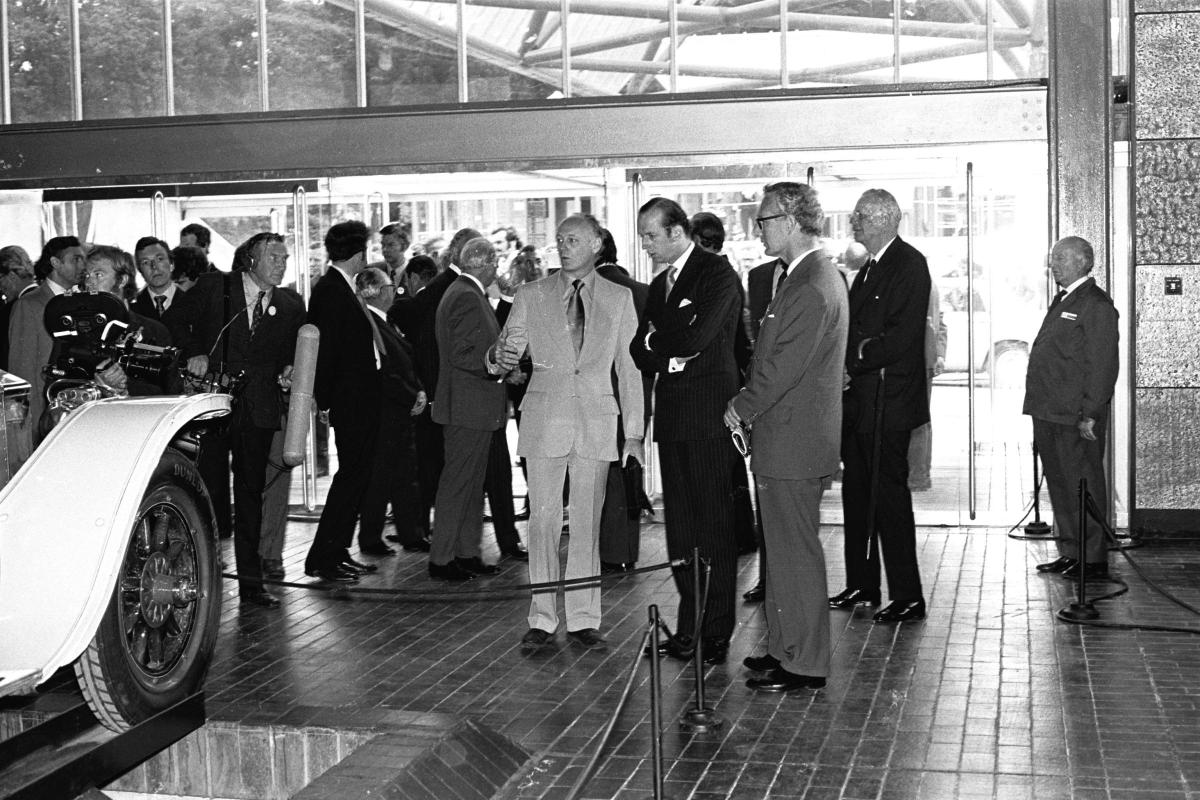
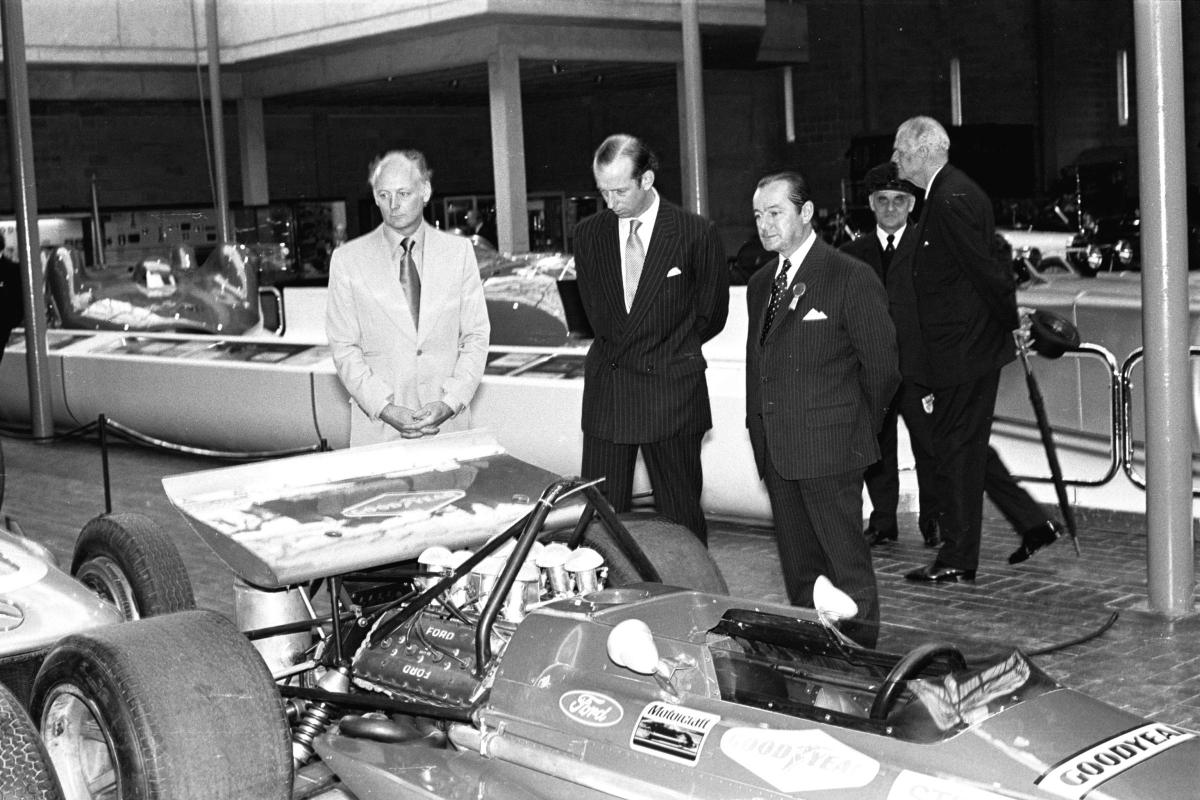
Lord Montagu saw the collection had become a national asset, and in 1972 it moved into a purpose-built home as the National Motor Museum.
The Duke of Kent opened the purpose-built museum, strengthening Beaulieu’s role in preserving British motoring history.
In 1974, Beaulieu introduced its high-level monorail to carry visitors around the expanding estate.
The monorail gives passengers a bird’s-eye view of the grounds and passes through the roof of the main museum.
Gliding silently above the priceless collection, passengers can peer directly down into the cockpits of legendary racing cars and historic classics. It is a uniquely thrilling perspective that perfectly bridges the gap between mid-century futurism and vintage mechanical engineering.
Down on the museum floor, the exhibits were carefully curated to tell the comprehensive story of motoring on British roads and beyond. Chief among the most breathtaking attractions are the undisputed kings of the land speed record.
The museum displays the 1920 Sunbeam 350hp and 1927 Sunbeam 1000hp, both driven by Henry Segrave, alongside the 1929 Golden Arrow.
Donald Campbell’s Bluebird CN7 is another standout: its turbine engine set a land-speed record in 1964.
The museum also collects famous vehicles from film and television, making them part of its permanent display.
Generations of children have stood in wide-eyed wonder before the magnificent, magical contraption that is the original Chitty Chitty Bang Bang. Just a few feet away, visitors can marvel at the bright green, padlock-secured mini driven by the hapless Mr. Bean.
James Bond’s Aston Martins sit alongside Del Boy Trotter’s yellow Reliant Regal, while the collection also includes the World of Top Gear exhibition.
This dedicated space rescued the battered, burnt, and bizarre creations built by Jeremy Clarkson, Richard Hammond, and James May from television obscurity. Fans can inspect the structural integrity of the homemade stretch limos, the amphibious cars, and the infamous indestructible Toyota Hilux.

Beaulieu is more than its vehicles: the National Motor Museum stands alongside the ruins of Beaulieu Abbey on the same estate.
Founded in 1204 by King John, the surviving vaulted archways of the abbey provide a serene, hauntingly beautiful backdrop to the roar of vintage engines. It serves as a quiet reminder of the deep, medieval roots of the land before the age of industry took hold.
The estate also has a wartime history: during the Second World War, the government requisitioned the grounds for a secret training school.
The Special Operations Executive trained men and women there in espionage, sabotage and survival before sending them behind enemy lines, and a Secret Army exhibition tells their story.
The National Motor Museum Trust now runs Beaulieu as an independent educational charity dedicated to preserving its heritage.
The collection now contains more than 285 cars, motorcycles and commercial vehicles, supported by a workshop where mechanics restore them.
The workshop restores century-old engines so the vehicles can still run under their own power.

Furthermore, Beaulieu houses one of the largest and most comprehensive motoring reference libraries and photographic archives anywhere in the world. Millions of original blueprints, historic glass-plate negatives, and rare sales brochures are meticulously cataloged here to assist researchers globally.
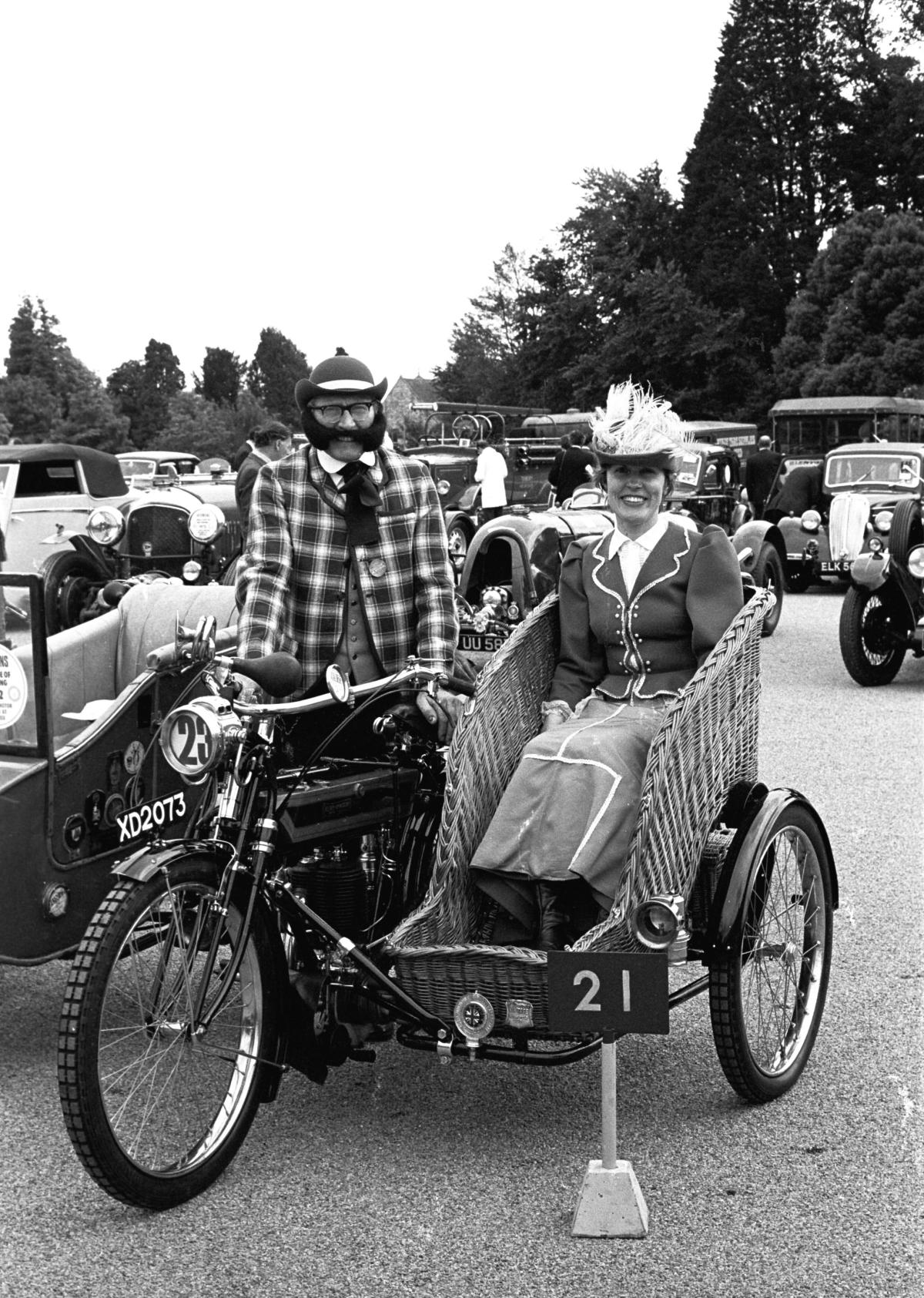
The estate hosts rallies and events throughout the year, including the Beaulieu Spring and International Autojumbles, where enthusiasts hunt for rare parts.
Thousands of enthusiasts travel from across Europe to haggle over parts and motoring memorabilia, while Beaulieu’s Supercar Weekend brings modern hypercars to the estate.
As motoring shifts towards electric vehicles, Beaulieu preserves the mechanical engineering that shaped the modern car.
The 3rd Baron Montagu passed away in 2015, leaving behind a museum that grew from his decision to display five cars in the hallway.
Beaulieu faces a major split: the National Motor Museum Trust plans to leave when its lease expires in 2030, after more than 70 years at the estate.
The dispute centres on funding, gate receipts and the charity’s future, while the Trust sought a 50-year lease extension and better financial terms to support investment, including National Lottery Heritage Fund grants.

The Montagu family and Beaulieu Enterprises said the terms could threaten the wider estate’s finances, while the Trust searches for a new home for its vehicles and archives.
The estate plans to keep running its own motor museum, displaying Montagu family vehicles and hosting events such as the International Autojumble.
Visitors can still ride through the museum roof on the monorail and see land-speed record cars at Beaulieu.
In June 2026, the museum said the second of the Sunbeam 1000hp's two engines had been restored, tested and reinstalled, ahead of a planned return to Daytona in 2027 to mark the record's centenary.


Share